Features
Letting the Gospels of Lent Shape Our Lives
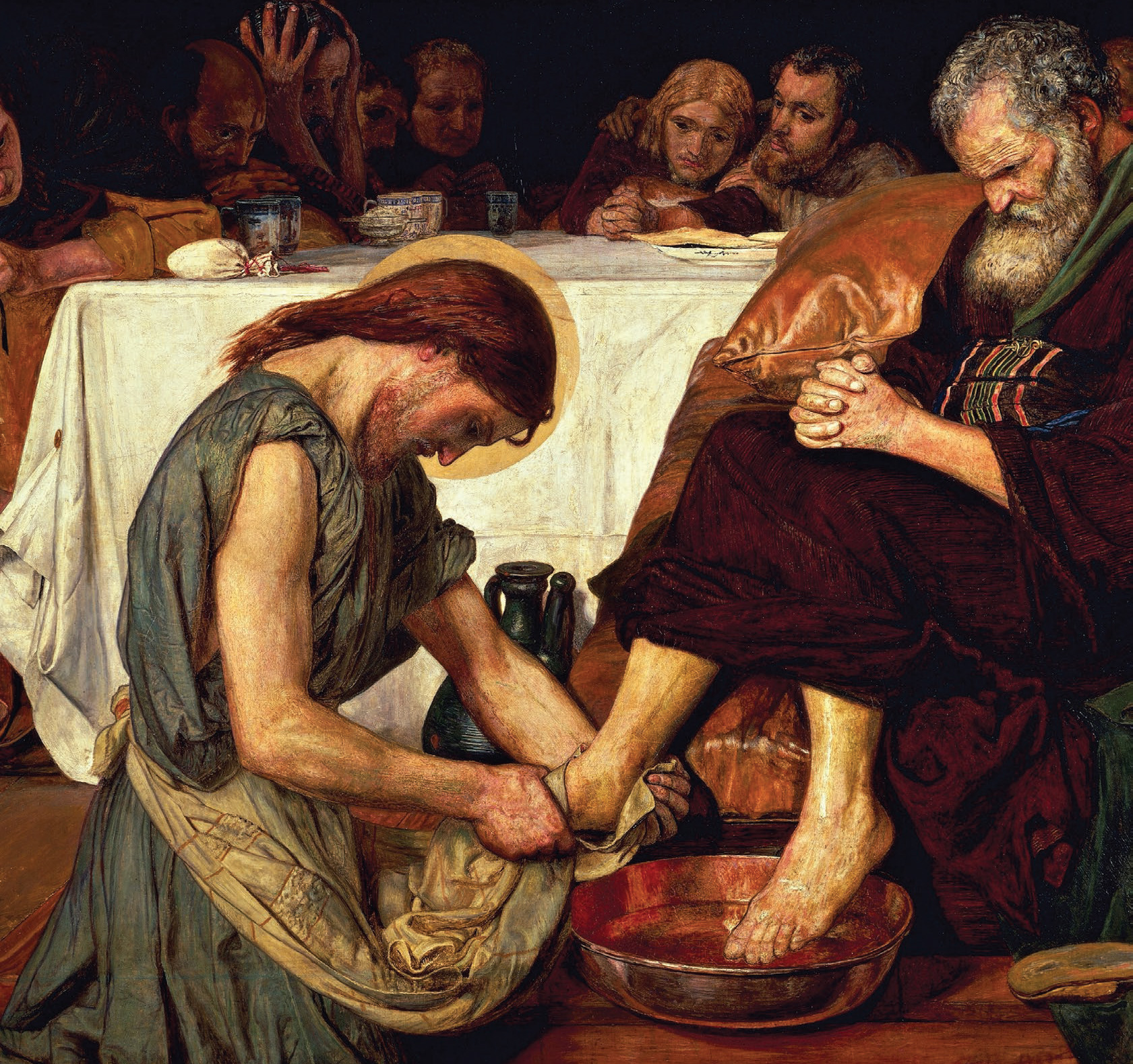
During Lent, we hear some of the Church’s most familiar and beloved Gospel readings. Year after year, they return to us with fresh urgency. These are not stories meant only for Sunday morning. They are meant to shape the way we live.
The Church cares deeply about how our society works. At the heart of Catholic social teaching is a concern for the dignity of every human person and a responsibility to serve the common good. What we hear proclaimed at Mass on Sunday should shape our daily lives.
Our bishops have endorsed seven principles of Catholic social teaching. Lent offers a natural opportunity to connect those principles with the Gospels we hear each Sunday. The more intentionally we live what we hear at Mass, the more clearly we share the Gospel with the world.
Here is how we can link the principles of Catholic Social Teaching with the Gospels of Lent.
On Ash Wednesday, Feb. 18, we hear Jesus speak about prayer, fasting and almsgiving. Everyone gets a dab of ashes on their forehead. It is a visible reminder that we are dust and that we will return to dust. It’s a good day to think about our solidarity. We all belong to the same human family, loved by God. Catholic Relief Services (CRS) invites us to eat simpler meals during Lent so we can share our resources with those in need around the world. Suppertime conversations at home might turn to our shared humanity and what it means to care for one another. Solidarity means we are all one family: we all get ashes, we all face death, we all belong to the human family loved by God.
On the First Sunday of Lent, Feb. 22, we hear the story of Jesus tempted in the desert. He responds to the tempter using Scripture and alluding to his own responsibility. This story can be linked to the theme of Rights and Responsibilities. Our rights are always connected to our responsibilities. As children grow in maturity and faith, they can take on greater responsibilities and enjoy expanding rights. Families might ask: Who in our world is denied the ability to exercise their rights and responsibilities?
On March 1, the Second Sunday of Lent, we hear the story of Christ’s Transfiguration. On the mountain, the disciples saw Christ’s glory as he spoke with Moses and Elijah. They see the larger story of salvation unfolding. This is a fitting moment to reflect on Care for Creation. God’s love embraces all of creation, and humanity is called to be its steward, not its destroyer. Can our children get a glimpse of God’s glory in the way we care for the world around us?
On March 8, the Third Sunday of Lent, we meet the Samaritan woman at the well. She arrives as an outcast, but Jesus gives her a new way of thinking. She leaves transformed, inviting her entire village to meet Jesus. One of the principles of Catholic Social Teaching is the Call to Family and Community Participation. After hearing the story of the Samaritan woman, could we reach out to a distant family member? Offer help to a stranger, a visitor or a refugee?
On Laetare Sunday, March 15, we hear a long story about a man neglected by many but healed by Jesus. The man born blind represents those living on the margins of society. We as Jesus’ disciples have taken up the Option for the Poor and Vulnerable. Families might reflect on who remains unseen today and how they can respond with compassion and care.
On the Fifth Sunday of Lent, March 22, we hear the story of Lazarus. It is a powerful moment to reflect on the Life and Dignity of Human Persons. At every stage of our lives, we deserve to live, to be honored as people with immortal souls. And so does everyone else. This Gospel invites reflection on how we treat the unborn, the elderly, people with disabilities and prisoners. Lazarus was on the edge of death when Jesus called his name. Whose name might we help call back to life?
By Palm Sunday, March 29, we are usually eager to step through the story of Christ’s Passion and death and into the beautiful week of his Resurrection. Lent can feel long, but Holy Week is the story of Christ doing his most important work. During Holy Week, we should consider the value of our work and the Dignity of Work and the Rights of Workers. Each human being has their own story of working through the challenges of life into the reward of resurrected life. How do we see our work as our path to glory?
The Gospels of Lent are reminders of our duty to live together responsibly. My hope is that these beautiful and challenging readings will shape how we live here and now. Learning to let the Gospel guide our shared life is, after all, the true purpose of Lent.
Msgr. Vincent Haut is a senior priest of the Diocese of St. Augustine and a regular contributor to the St. Augustine Catholic magazine.