Features
Everyone Belongs
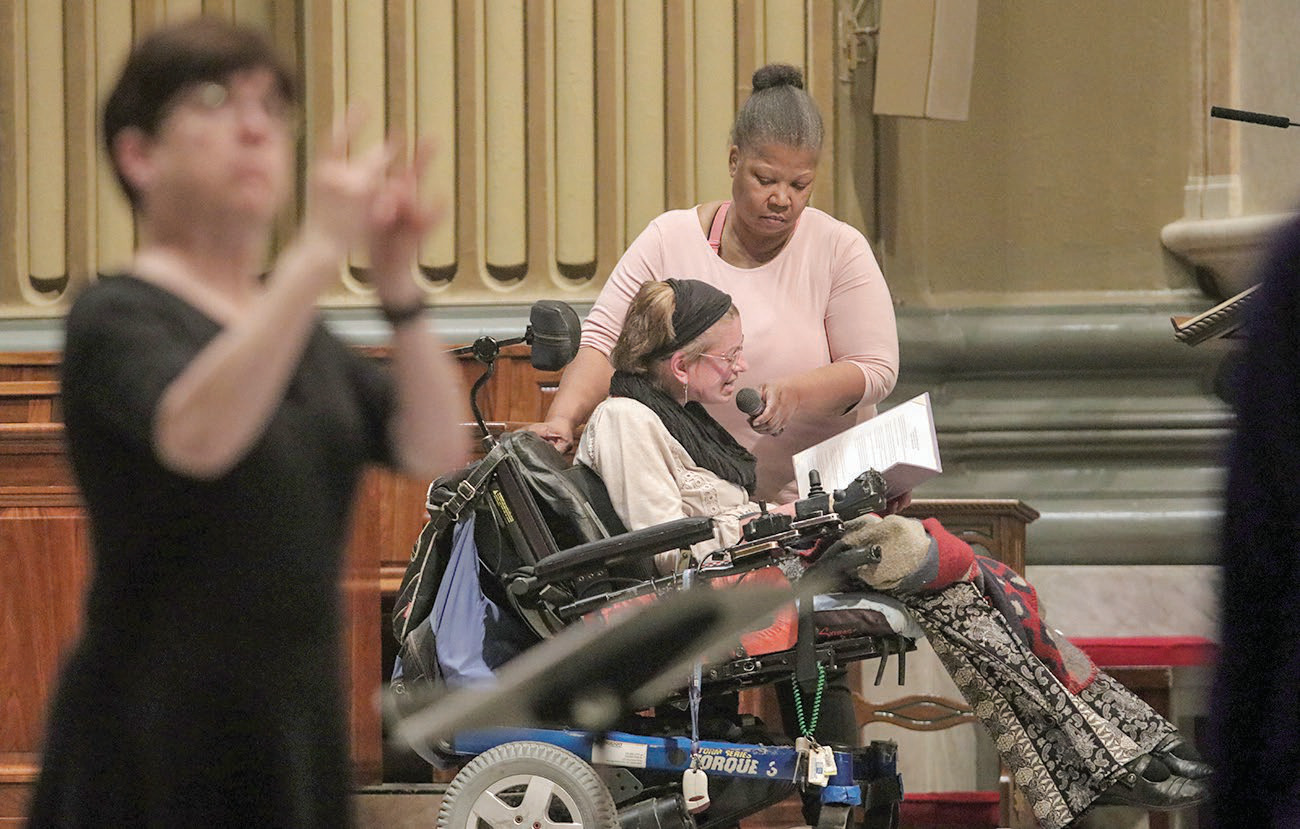
People of all abilities are called to participate fully in the life of the Church, sharing their gifts and their faith with the community.
People of all abilities are called to participate fully in the life of the Church, sharing their gifts and their faith with the community.
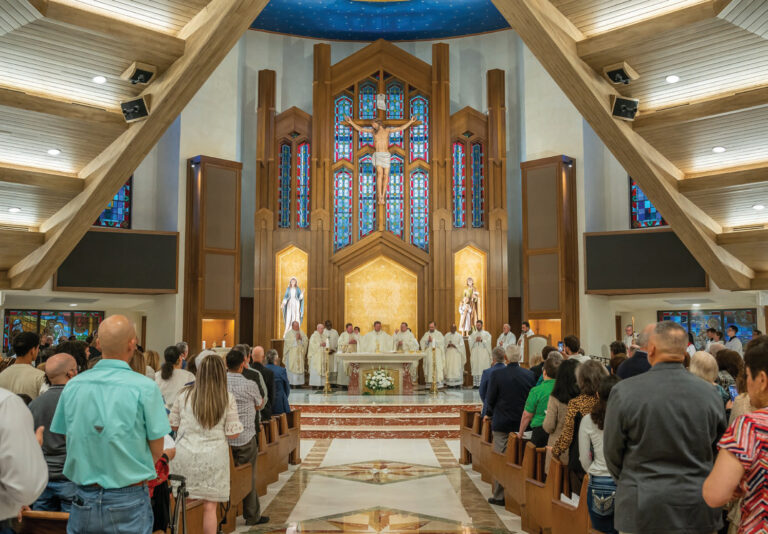
A family arrives for Mass a few minutes late. Parents settle into a pew while keeping a close eye on their son. He is excited, energetic and sometimes vocal. During the opening hymn, he begins to move around more than the people seated nearby expect. His mother gently redirects him. His father looks worried. They have been through this before.
Then something simple happens.
A parishioner smiles. Another makes room in the pew. Someone quietly says, “We’re glad you’re here.”
What may seem like a small gesture can make the difference between a family returning the following week or wondering if there is a place for them in the Church.
For some families, simply attending Mass can be emotionally exhausting. They worry their child may become restless or overwhelmed. They wonder whether those around them will understand or quietly wish they had stayed home. A welcoming smile or reassuring word can replace anxiety with relief and remind them they are exactly where they belong.
Across the Diocese of St. Augustine, parishes are working to ensure every person knows they belong. Through workshops, training and growing awareness, parish leaders are exploring how to better welcome people with disabilities — not as visitors or guests, but as full members of the Body of Christ.
“What may seem like a small gesture can make the difference between a family returning the following week or wondering if there is a place for them in the church.”
The effort reflects a truth at the heart of our Catholic faith: every person is created in the image and likeness of God, and every baptized person has gifts to share.
As Pope Francis reminds us, all the baptized are missionary disciples. That calling does not depend on a person’s physical abilities, learning style or diagnosis. The Church needs the gifts of every member.
People experience parish life in different ways. Some face physical barriers. Others learn differently. Many live with disabilities that are not immediately visible.
A person may live with autism, ADHD, hearing or vision loss, chronic illness, anxiety or another condition that shapes how they experience worship. What looks like distraction or disinterest may simply be someone navigating the world differently.
“They are not on the margins of the Church. They are the Church.”
Supported by grants from the Catholic Foundation and the Lilly Foundation, the Office of Christian Formation recently hosted a conference on Inclusive Formation. Participants discovered that practices designed to welcome people with disabilities benefit everyone. Clear communication, thoughtful signage, patient volunteers and flexible approaches help all parishioners feel more connected.
Across the diocese, parishes are finding practical ways to remove barriers and create opportunities for everyone to participate more fully in worship, faith formation, ministry and community life. These efforts recognize that inclusion is not another parish program. It is an expression of Christian hospitality rooted in the Gospel.
The most important lesson is also the simplest: focus on the person, not the disability.
That means speaking directly to the individual, asking before offering assistance and recognizing that each person’s needs and experiences are unique. It means listening before making assumptions. It means treating people with dignity rather than defining them by a diagnosis.
The question many parishes are asking is simple: How can everyone participate?
The answer begins by inviting people to share their gifts.
Adults with disabilities often say they want the same thing every Catholic wants: to pray, to serve, to belong and to be known for who they are rather than for a diagnosis. When parishes invite them to proclaim the readings, greet parishioners, serve at the altar, sing in the choir or volunteer alongside others, everyone benefits.
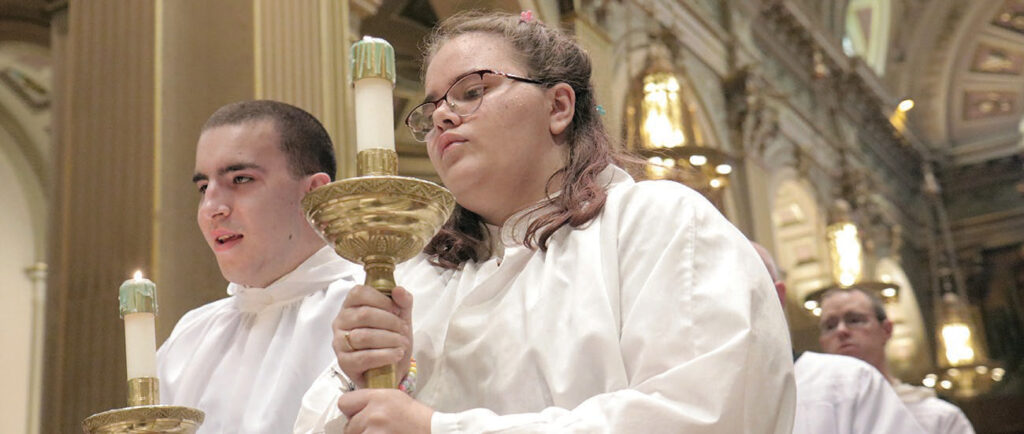
Throughout the diocese, people with disabilities already serve as lectors, greeters, altar servers, choir members, volunteers and parish leaders. Their gifts enrich parish life and remind us that every baptized person has something to offer the Church.
The Church has long taught that people with disabilities have the right to participate fully in the sacramental and communal life of the Church. Yet inclusion is more than policies and programs. It is about relationships.
Parents often say they are not asking for perfection from those around them. They simply hope their family will be welcomed without judgment. Adults with disabilities express a similar desire — to be greeted by name, included in parish life and recognized as fellow disciples of Christ.
They are not on the margins of the Church. They are the Church.
As parishes continue to grow in awareness and hospitality, the invitation extends to every Catholic. Welcoming people with disabilities is not simply the responsibility of pastors, catechists or ministry leaders. It belongs to all of us.
The next time you notice a family struggling with a child during Mass, a parishioner using a wheelchair, a person who learns differently or someone who seems out of place, remember that your response matters. A smile, a greeting or a simple act of patience can communicate what every Catholic longs to hear:
You belong here.
Because the welcome people experience at church often comes not from a program, a policy or a pastor. It comes from the person sitting next to them in the pew.
In that moment, the Church becomes what Christ intended — a home where every person is welcomed, valued and loved.
Six simple ways to help everyone feel welcome
Inclusion doesn’t require special training. It begins with seeing every person as a child of God and treating them with dignity, patience and respect.
- See the person first. Don’t define someone by a disability.
- Speak directly to the person, even when a caregiver is present.
- Offer help, but don’t assume it is needed.
- Be patient. Everyone communicates and participates differently.
- Remember that many disabilities are invisible.
- Invite everyone to participate in parish life through worship, service and fellowship.
Learn more
Contact your parish faith formation office or the Diocesan Office of Christian Formation to learn about resources that help every person encounter Christ and participate fully in the life of the Church. Email EMcGeever@dosafl.com or call (904) 262-3200, ext. 118.
Erin McGeever is the diocesan director of Christian Formation.